Introduction
Psychosocial problems
Individual impact
Acne and depression
Dysmorphophobic acne
How to seek help
Acne can have profound social and psychological effects. These are not necessarily related to its clinical severity. Even mild acne can be significantly disabling. Acne can affect people of all ages but it predominantly occurs during the teenage years. Approximately 85% of people between the ages of 12 and 25 develop acne.
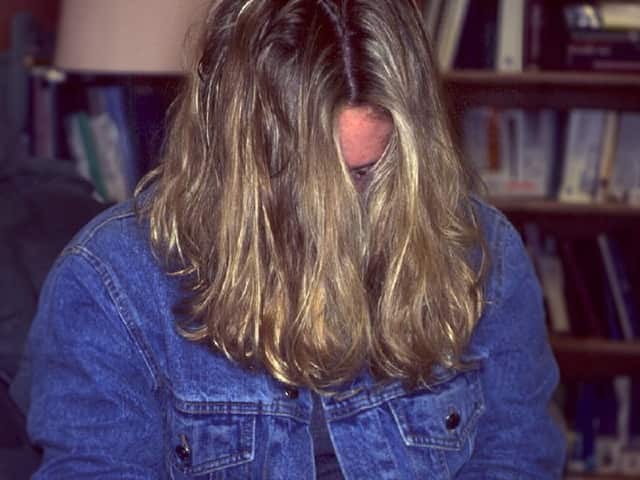
The psychological and social impacts of acne are a huge concern, especially because acne affects adolescents at a crucial period when they are developing their personalities. During this time, peer acceptance is very important to the teenager and unfortunately it has been found that there are strong links between physical appearance and attractiveness and peer status.
In recent years, open discussions between patients and medical professionals have revealed the impact acne has on the psyche. The following are some of the problems that patients with acne may face.
Tools that assess the impact of acne on psychosocial factors and quality of life can be used in clinical practice and in clinical trials. They include:
In some patients the distress of acne may result in depression. This must be recognised and managed. Signs of depression include:
In teenagers, depression may manifest as social withdrawal (retreat to the bedroom or avoidance of peers) or impaired school performance (lower grades or missed assignments). Severe depression from acne has resulted in attempted suicide and, unfortunately, successful suicide. Worrying statements include: "I don't want to wake up in the morning"; "I'd be better off dead"; "I'm worthless"; "You'd be better off without me". Parents, friends and school counsellors need to take heed when they start to hear these types of comments.
Rarely, depression can be associated with acne treatment, particularly isotretinoin. There is much controversy about whether the drug causes depression. However, it is clear that depression often results from acne and the psychological disturbances described above.
Regardless of the cause, depression must be recognised and managed early. If you think you or someone you know may be depressed, contact your dermatologist or family doctor urgently for advice.
Some patients with only minor acne suffer from disturbed body image. Even in the absence of lesions, they consider they have severe acne and may suffer many of the psychological and social symptoms described above. They are said to have "dysmorphophobic acne".
If this is their only abnormal behavioural symptom, they respond well to oral isotretinoin therapy because it clears up the spots. A low dose of isotretinoin may be required long-term, as even a slight recurrence of oily skin may unduly concern the patient.
Some severe cases of dysmorphophobia have a more global mental disorder similar to anorexia nervosa. They require expert dermatological and psychiatric assistance.
If your acne is interfering significantly with your life, particularly if it is resulting in any of the problems described above, seek help promptly from your family physician (GP) and/or dermatologist.
Tell your doctor all your concerns, so that he or she will take your acne seriously. Most cases of acne can be controlled and sometimes cured with treatment, using one or more of the following preparations:
Depression is an illness that can nearly always be treated effectively. See your family doctor for advice and if necessary, you may be referred to a health professional specialising in mental illness.
Suitable treatments may include:
It is particularly important that a teenager's anxiety over their acne is managed appropriately.