Introduction Demographics Causes Clinical features Variation in skin types Complications Diagnosis Differential diagnoses Treatment Prevention Outcome
The bed bug is a flat, small, wingless parasitic insect that bites through the skin to feed on human blood. Bed bugs come from the insect family Cimicidae, with the two main species being Cimex lectulatius and Cimex hemipterus.
Bed bugs do not live on humans, but rather in human habitats and often hide in the seams of a mattress or between the wooden parts of furniture frames. They detect carbon dioxide, heat, and odours released by humans and tend to feed during the night once or twice a week. However, their activity is reduced at lower temperatures and reports suggest they can survive up to a year without feeding.
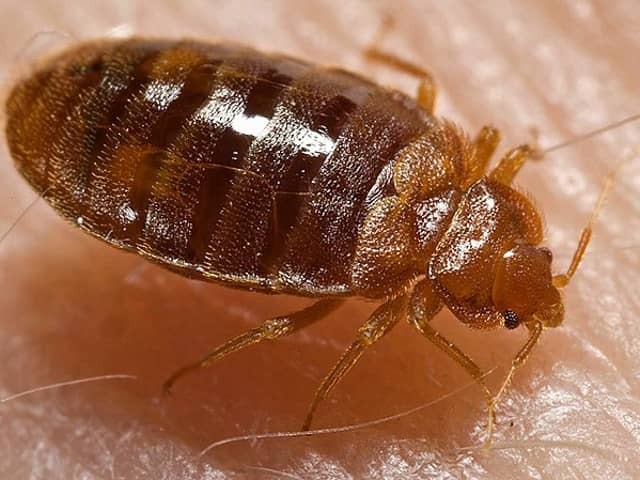
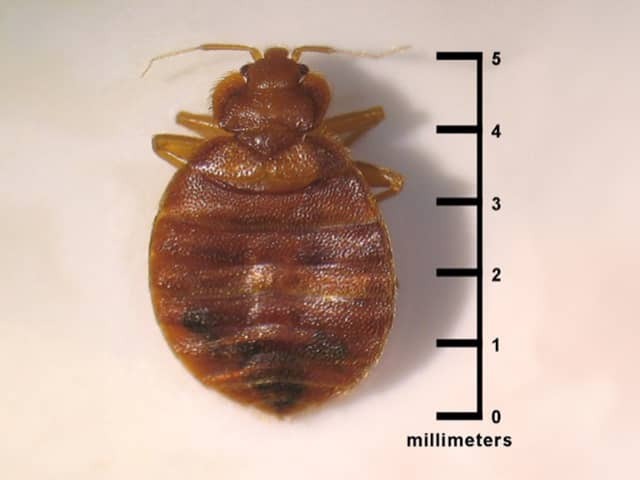
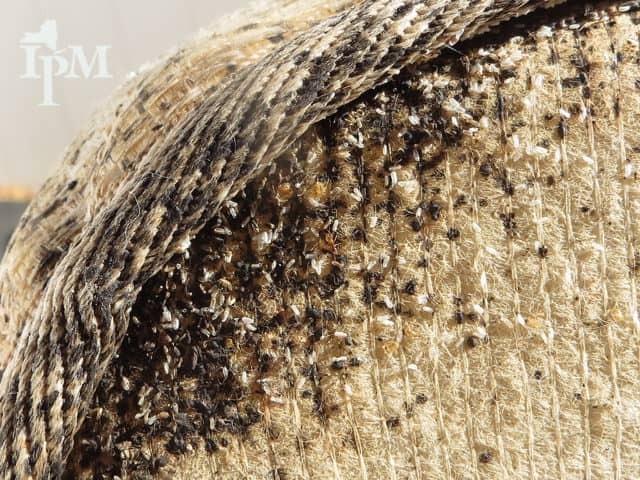
Click for images of bed bug infestation
Bed bugs feed on the blood of animals, particularly humans. Those who travel frequently or sleep in places where there is a high turnover of people staying there (eg, dorm rooms, motels or hotels, or emergency accommodation) may be at higher risk.
Reports of bed bug infestations appear to be increasing in homes, apartments, hotel rooms, hospitals, and hostels in developed countries with approximately 9% of apartments in large American cities having bed bugs in 2022.
Bed bugs are found worldwide. Infestations are on the rise in urban populations, which is thought to be secondary to a ban on many organophosphates insecticides (chemicals targeting crop-damaging insects and small animals). They are attracted to warm environments and infestations typically occur in or around sleeping areas.
Bed bugs do not travel on humans, but can travel in furniture (particularly upholstered furniture), luggage, and clothing. Bed bugs cannot fly or jump, but once fed can move at the pace of an ant and can migrate through holes in walls, water pipes, or gutters, thus moving across rooms in dwellings. In developing countries, bed bugs can be found in the cracks and crevices of the walls of mud houses, as well as thatched roofs.
Bed bugs cannot be identified from their bite alone. The bed bug bite lacks venom and their saliva has antibacterial defensin (an antibacterial peptide) resulting in up to 70% of people having no bite reaction.
Bed bugs are reddish brown in colour and oval-shaped, and in adulthood can be between 5–15 mm in length (around the size of an apple seed). The eggs laid by bed bugs can be difficult to see as they are translucent and reach 1 mm across. Another sign of bed bugs is their droppings, visible as dark rust-coloured spots which can stain.
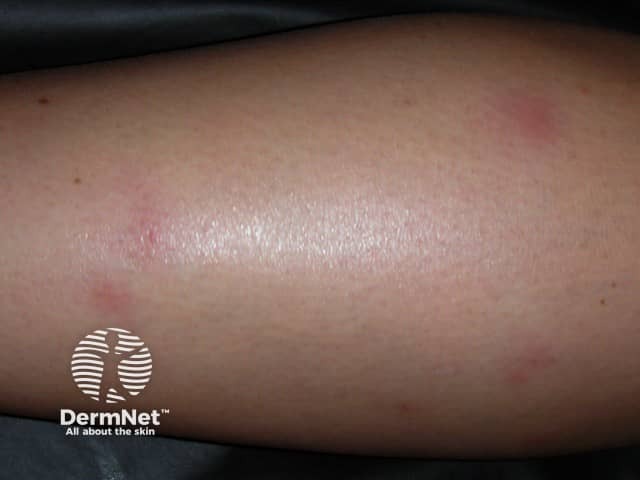
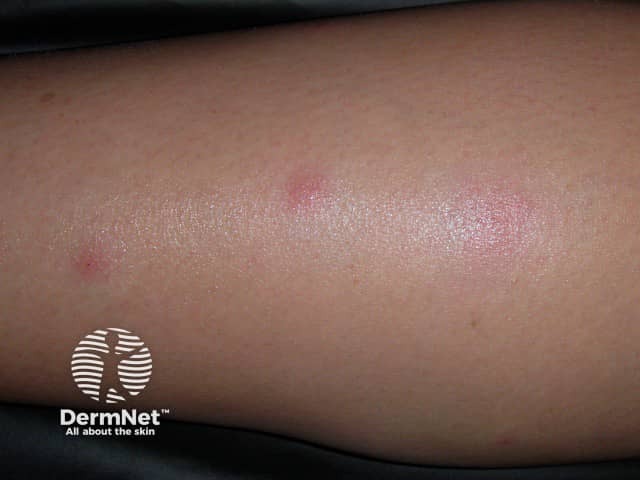
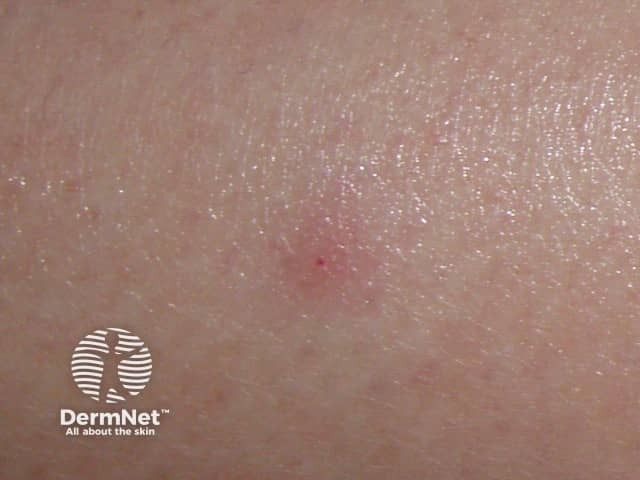
Click for images of bed bug infestation
In darker skin types, bites may look faint pink or purplish in colour and with time may develop into a darker brown colour, with postinflammatory hyperpigmentation. Look for signs of swelling and itchy areas which may indicate the presence of a bite.
Bed bugs have not been shown to carry diseases between humans. Potential complications of bed bug bites and infestation include:
Bed bugs cannot be diagnosed solely from their bite. For accurate diagnosis, the bed bug needs to be found and identified in mattresses, bedding and under loose wallpaper, if required, with the help of a specialist such as a pest control company.
Bed bug bites often do not require treatment. In those who are symptomatic:
Bed bug eradication is the key to treatment, but has become more difficult with many bed bugs developing resistance to pesticides (chemical substances used to kill insects).
Some key ways to prevent a bed bug infestation include:
If bed bugs are not eradicated, they will continue to live and reproduce as long as they have a food source. They can survive for several months without food, so empty houses or offices may not suffice for eradication.
There is very limited evidence of long-term harm to humans exposed to bed bugs, however, there have been a few reports of anaemia secondary to a chronic and sustained bed bug infestation.