What is paraphenylenediamine?
Paraphenylenediamine and allergy
Demographics
Clinical features
Diagnosis
Treatment
Paraphenylenediamine (PPD) is a chemical substance that is widely used as a permanent hair dye. PPD is used in hair dye because it is a permanent dye that gives a natural look, and the dyed hair can also be shampooed or permed without losing its colour.
The base PPD is colourless and requires oxygen for it to become a dye, thus PPD hair dyes are usually packaged as 2 bottles, one that contains the PPD dye and the other containing a developer or oxidiser. Darker shades of hair dye products contain higher concentrations of PPD than lighter shades. The darker shades of hair dye are often used by people with naturally dark hair.
Fully oxidized PPD is not a sensitiser, but the intermediate, partially oxidised form of PPD may cause contact allergic dermatitis in sensitive individuals. Hair colour preparations containing PPD or its derivatives carry a warning on the packaging recommending a self patch test prior to use of the dye.
PPD was declared the Contact Allergen of the Year for 2006 by the American Contact Dermatitis Society (ACDS).
An allergy may arise in anybody exposed to PPD. For example:
The prevalence of hair dye reactions has increased in recent years as dyeing hair has become popular among males and females of all ages.
A negative result to a patch test of the dye prior to using it does not guarantee freedom from reaction, because the patch test itself could cause sensitisation and result in a rash the next time the hair is dyed.
PPD allergy usually presents as acute, subacute, or chronic allergic contact dermatitis on areas in direct contact with the dye. The exposure that initiates the reaction may not cause symptoms; contact dermatitis occurs with subsequent contact with PPD and tends to occur more quickly (from a few hours to a few days after contact), becomes increasingly severe and extensive, and persists for longer.
PPD allergy may also rarely present as erythema multiforme or contact urticaria. PPD has also been suspected of precipitating contact leukoderma and vitiligo in genetically predisposed individuals.
Systemic reactions to PPD have also been reported, such as asthma, anaphylaxis and acute renal failure.
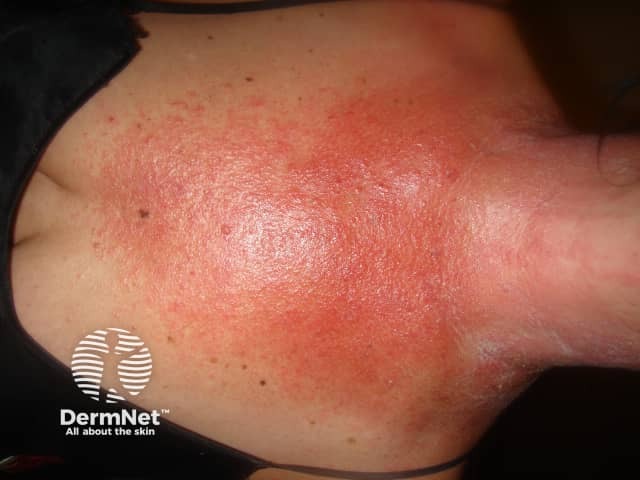
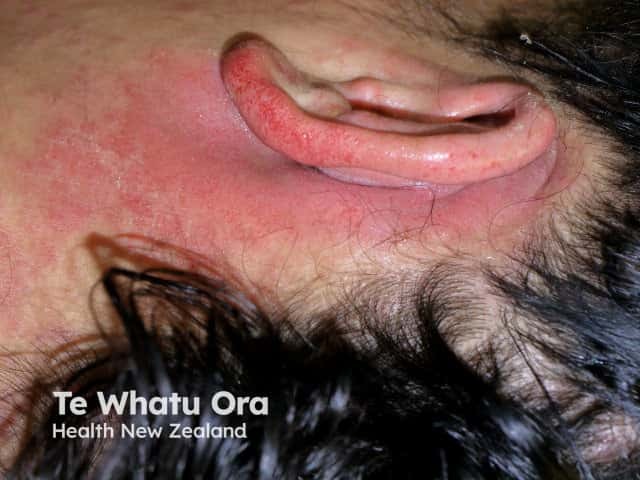
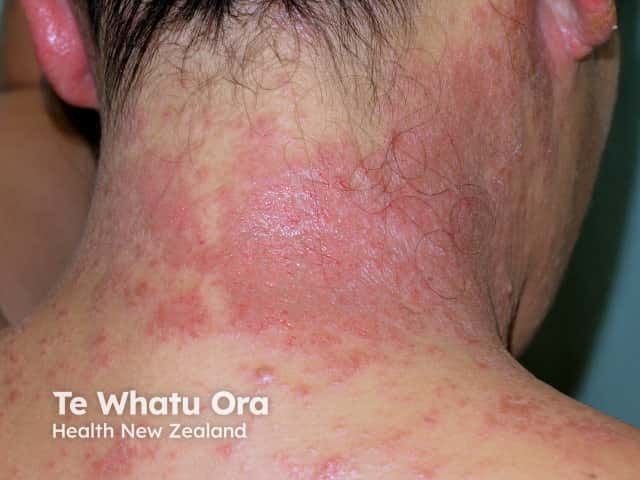
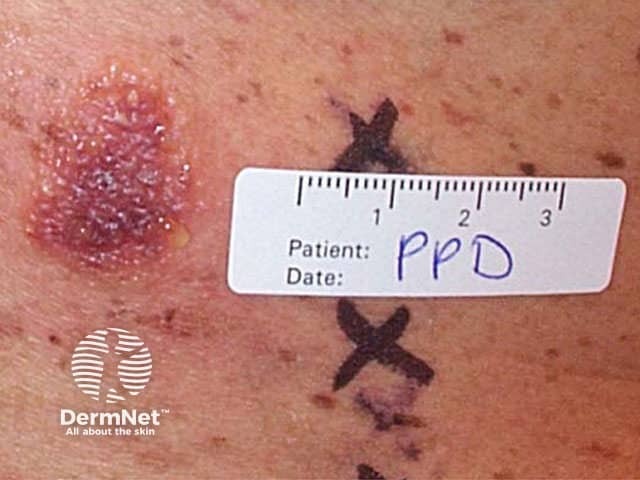
PPD allergy may be suspected clinically and is confirmed by patch testing. Patients having a clear history of allergy to hair dye or black henna tattoos are best tested with a lower 0.3% PPD concentration than in the baseline series of allergens, to avoid a severe blistering patch test reaction.
There are two methods of patch testing.
The uncovered method is recommended to consumers prior to using hair dye. Instructions for testing should be included with every package of hair dye.
However, be warned that testing to hair dye could induce a primary allergic reaction to it.
Dermatologists and allergy specialists use covered patch tests to determine PPD sensitivity.
A positive reaction from either method confirms contact allergy to PPD and contact with PPD containing products should be avoided.
Note that hair dye allergy can be due to other dyes, preservatives or fragrances. Irritant contact dermatitis can also arise, due to the alkaline nature of the hair treatment.
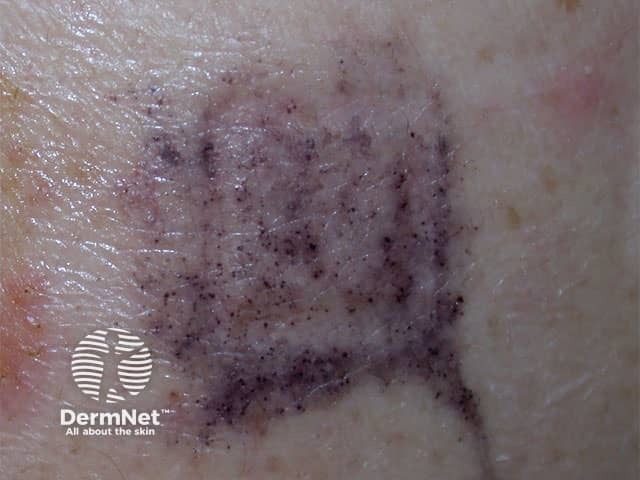
In acute severe cases of PPD hair dye dermatitis:
Further treatment with a topical application of an emulsion of water and water-miscible corticosteroid cream, or oral corticosteroids may be indicated.
Management of PPD dermatitis on other parts of the body may be treated as acute dermatitis; this may include treatment with topical corticosteroids and emollients.
People with confirmed allergy to PPD should avoid the use of all oxidation type hair dyes, and they should tell their hairdresser of their allergy. Metallic hair dyes and vegetable rinse hair dyes may be used but these do not provide permanent hair colour.
However, most individuals with PPD allergy can generally safely wear wigs or fur coats dyed with PPD.
In cases of occupational exposure, avoid contact with PPD by wearing suitable protective garments such as gloves and protective sleeves.
People who use hair dye should not keep the dye in the hair for longer than the recommended time, and it should be washed out thoroughly. Wear gloves during application and apply petroleum jelly or dimethicone barrier cream to the skin adjacent to the hairline to reduce the chance of sensitisation.
Substances related to PPD that may also cause an allergic reaction include: