Common name: |
Kanuka, white tea tree, white manuka |
|
Botanical name: |
Leptospermum ericoides, Kunzea ericoides |
|
Family: |
Myrtle family |
|
Origin: |
New Zealand and Australia. |
|
Description: |
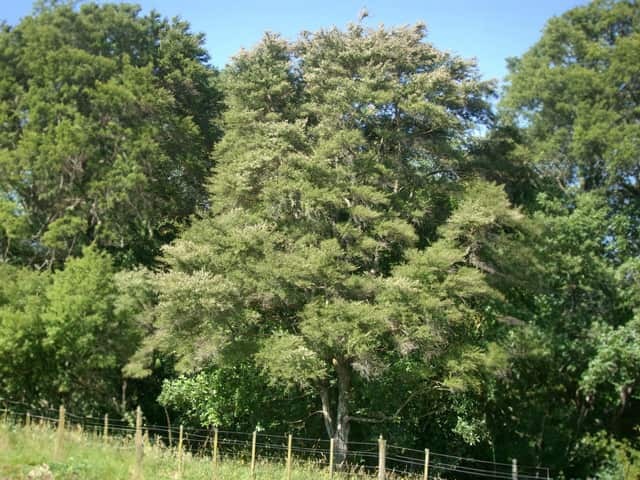
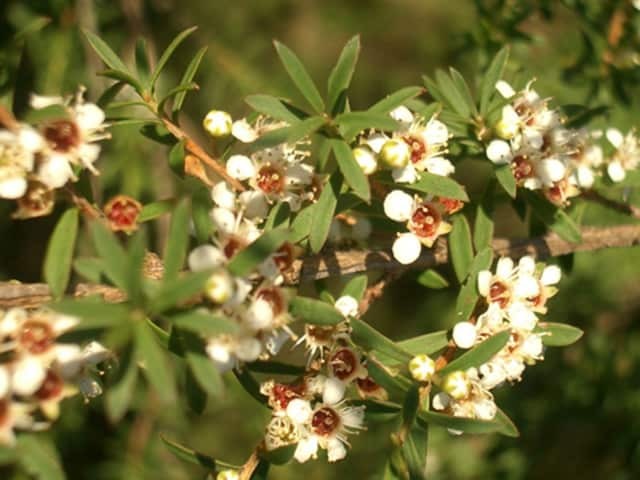
One of 30 species of small evergreen shrubs with small heath-like flowers which are pungently aromatic when crushed. Often confused with Manuka or New Zealand Tea Tree (Leptospermum scoparium). It is a wiry-stemmed large shrub or small tree with tiny, narrow, bronze-green leaves. Its tiny cream flower is an important food source for geckos and is favoured by apiarists for the rich honey that bees produce from the nectar. |
|
Uses: |
Regarded as a weed but is a valuable pioneer and nurse plant in forest regeneration. Aromatherapists are increasingly using Kanuka essential oils, although there are no reports of them having being tested for toxicity! |
|
Allergens: |
Not identified. Possibly alpha-pinene. |
|
Allergy: |
A number of unconfirmed reports of dermatitis occurring in bushmen clearing Kanuka scrub. Also reported following aromatherapy. |
|
Cross reactions: |
||
Other information: |
The common name, tea-tree, came from the practice of early New Zealand settlers of soaking the leaves of several species in boiling water to make a tea substitute. |
|
Patch test: |
Leaf, as is. |
|