Cutaneous lupus erythematosus
Lupus erythematosus (LE) of the skin comprises an uncommon group of skin disorders. They most often affect young adult women (aged 20 to 50) but children, the elderly, and males may be affected.
What causes lupus erythematosus?
LE is classified as autoimmune, as it is associated with antibodies directed against components of cell nuclei. Lupus may affect any tissue, but in this article we describe the skin manifestations of lupus. These are often provoked by sun exposure. It tends to be more severe in smokers.
There are various types of cutaneous LE.
- Discoid lupus erythematosus
- Subacute lupus erythematosus
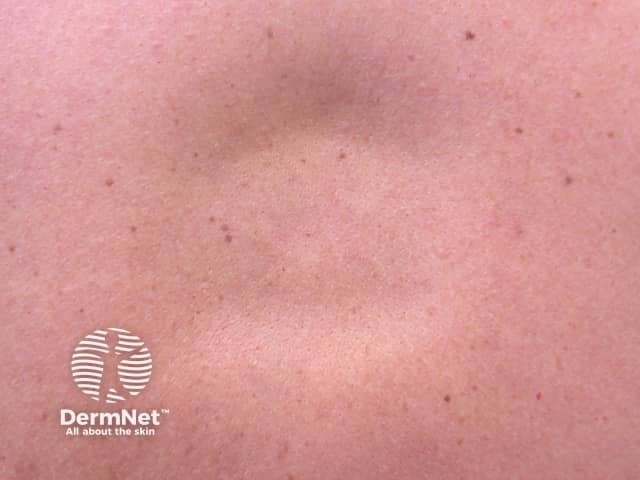
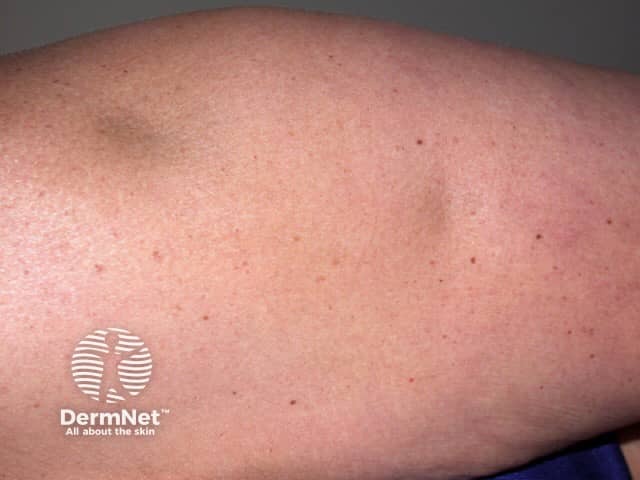
- Lupus erythematosus tumidus
- Lupus profundus
- Neonatal lupus erythematosus
- Cutaneous lupus mucinosis
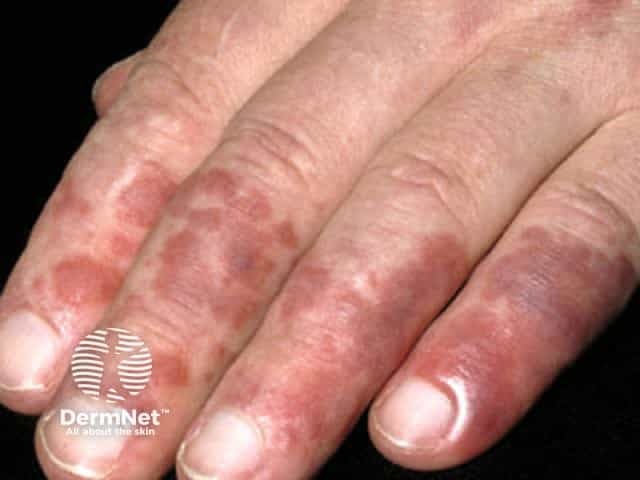
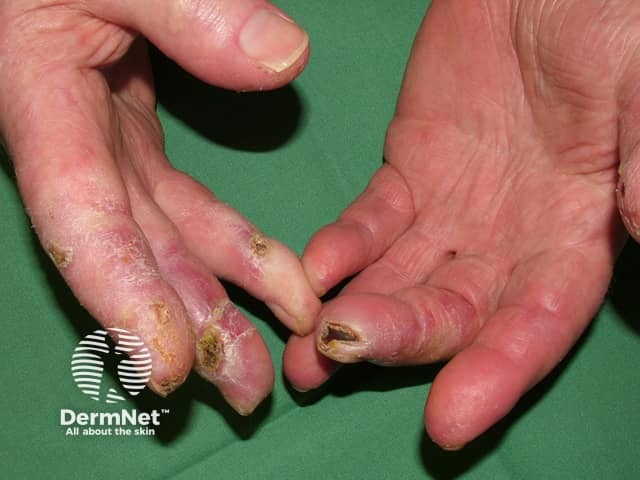
- Chilblain lupus erythematosus
- Drug-induced lupus erythematosus
- Systemic lupus erythematosus.
Discoid lupus erythematosus
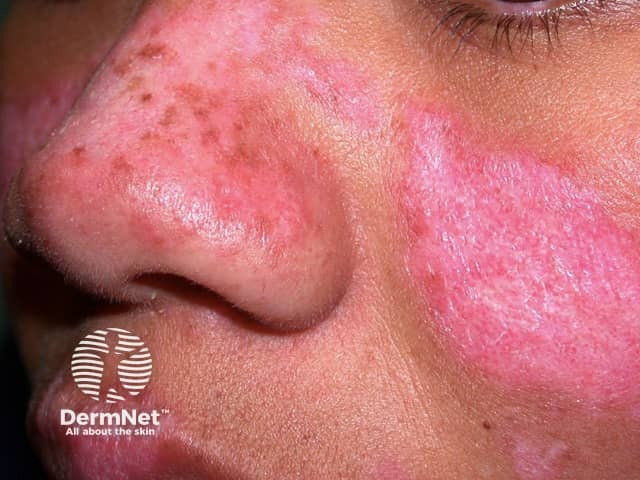
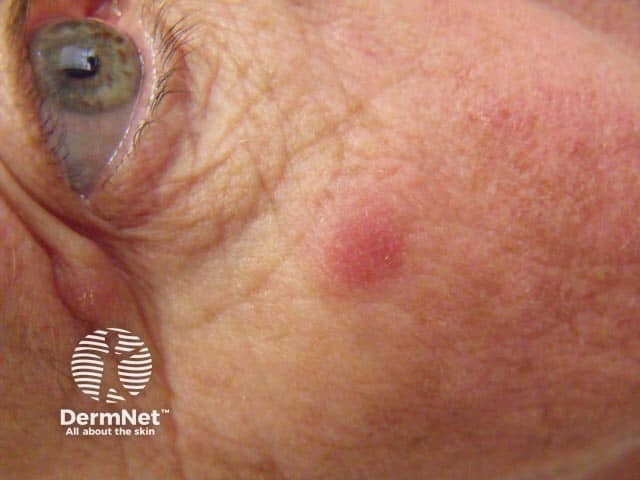
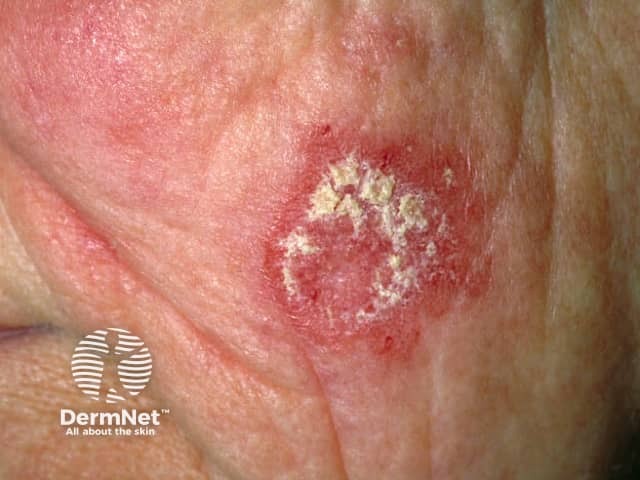
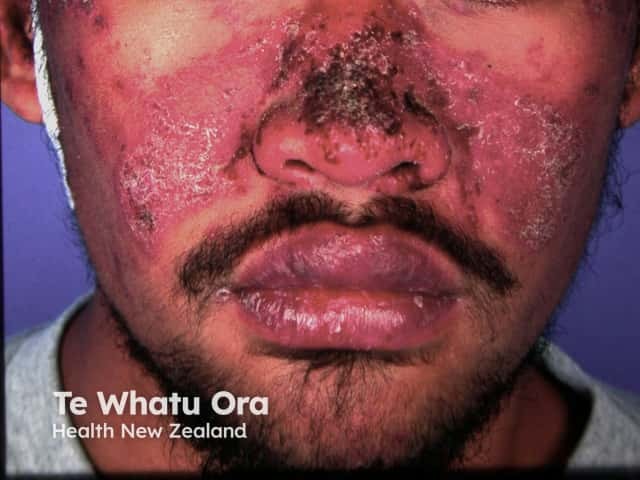
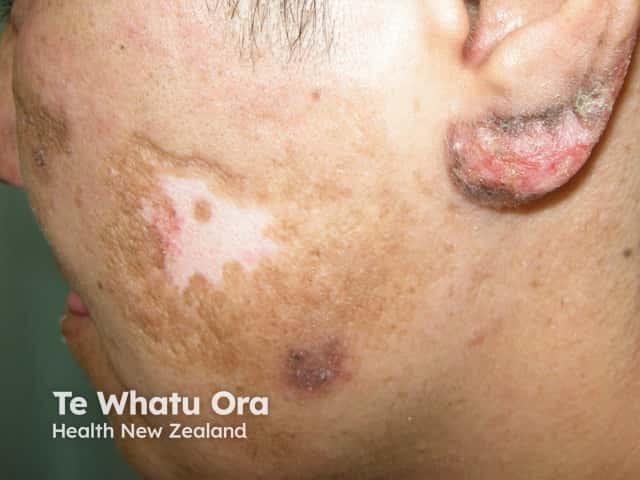
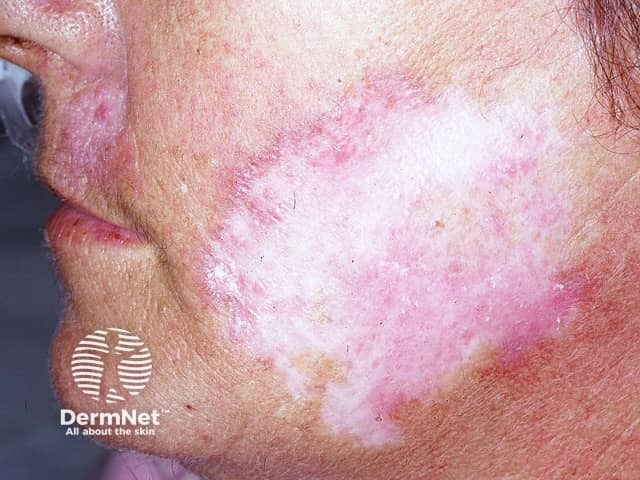
In the most common form, discoid LE, unsightly red scaly patches develop which leave postinflammatory pigmentation and white scars. It may be localised or widespread.
- Discoid LE predominantly affects the cheeks, nose and ears, but sometimes involves the upper back, V of neck, and backs of hands.
- Hypertrophic LE results in thickened and warty skin resembling viral warts or skin cancers.
- Rarely, discoid LE occurs on the palms and/or soles (palmoplantar LE).
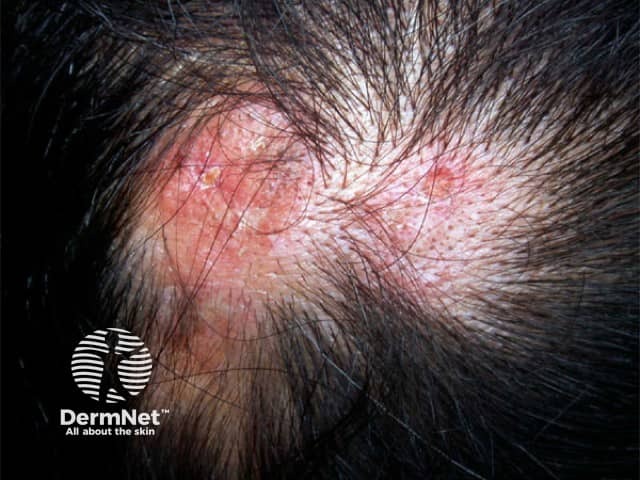
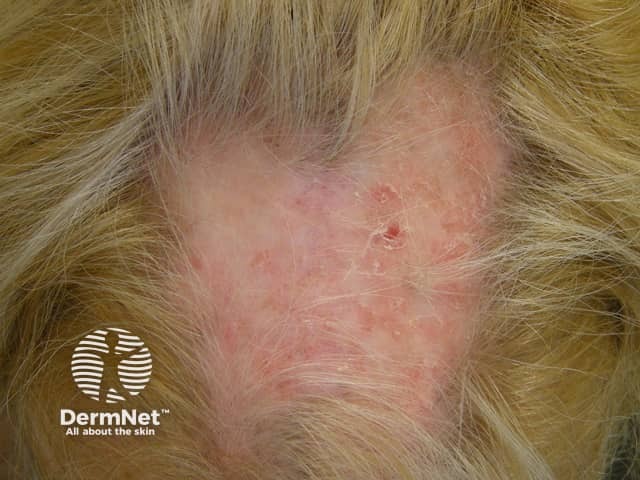
- If the hair follicles are involved, they are first plugged with adherent scale and then bald areas can develop. If the follicles are destroyed, the bald patches are permanent (scarring alopecia).
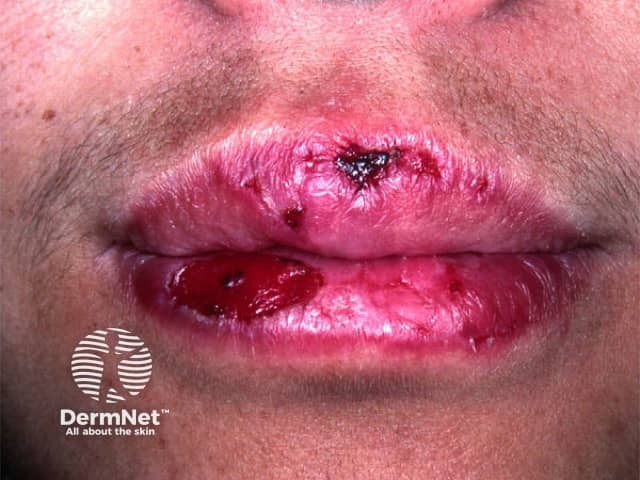
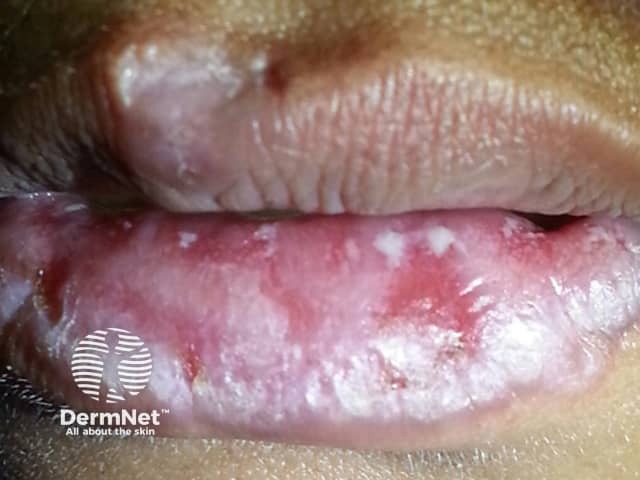
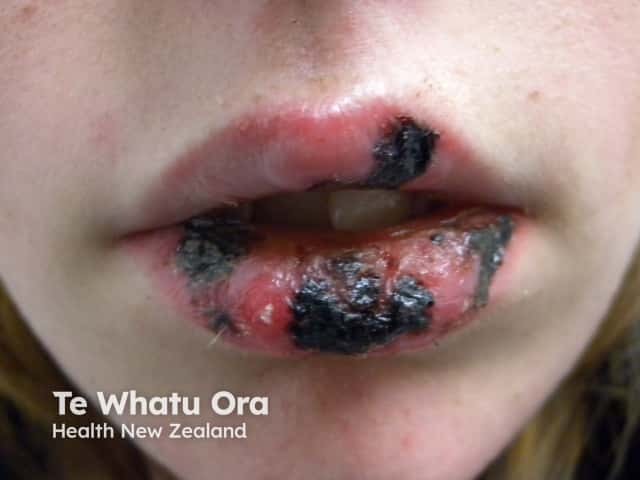
- Discoid LE may affect the lips and inside the mouth, causing ulcers and scaling. These lesions may predispose to squamous cell carcinoma.
|
|
|
|
Provided by Swinfen Charitable Trust |
|
|
|
|
Subacute lupus erythematosus
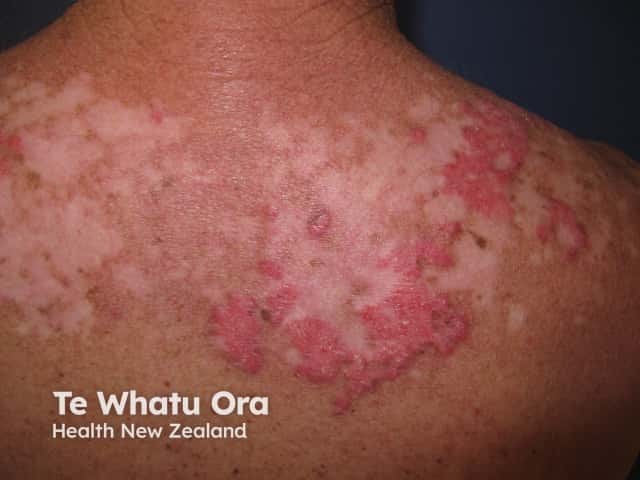
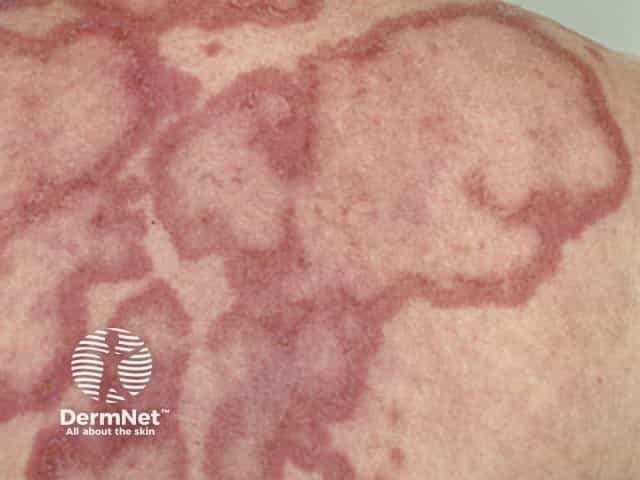
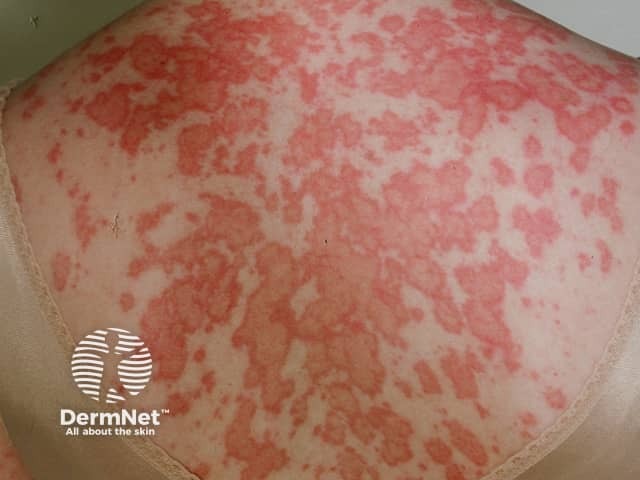
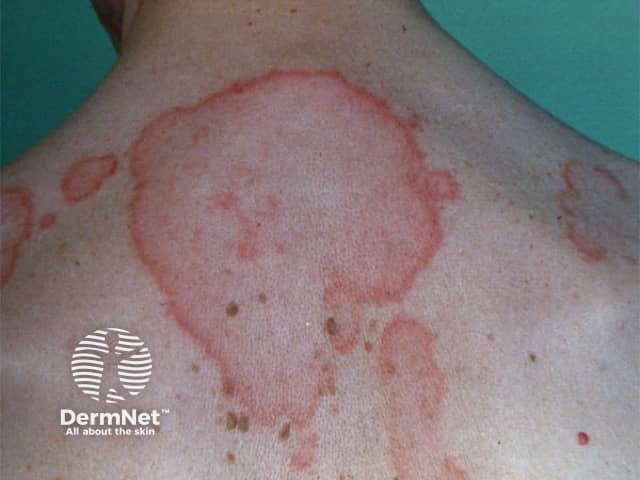
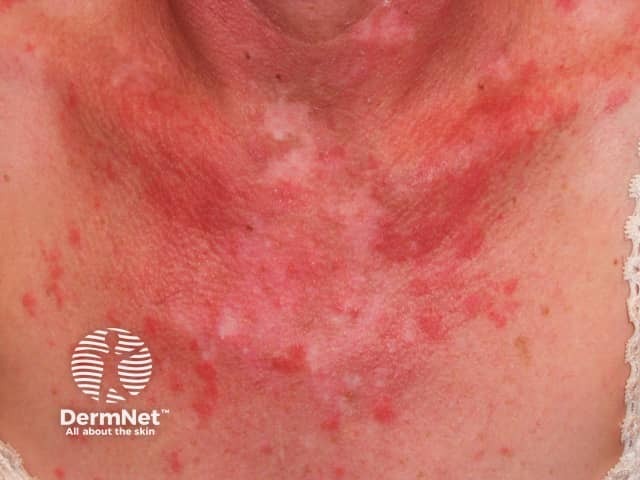
In subacute LE, a non-itchy dry rash appears on the upper back and chest, often following sun exposure. Subacute LE does not scar. It includes the following clinical types:
- Annular or polycyclic (ring-shaped)
- Papulosquamous (scaly bumps)
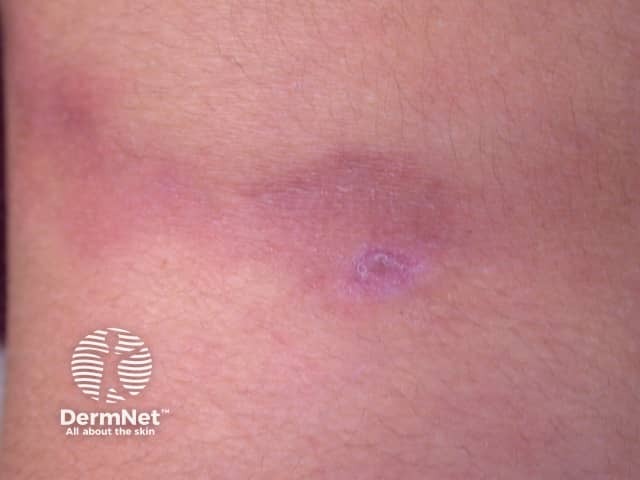
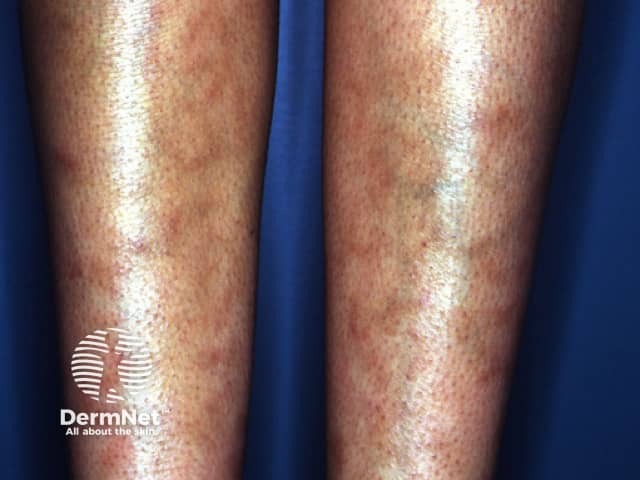
- Vasculitis (purple spots)
- Nodular (lumps)
Significant internal (systemic) disease is uncommon with subacute LE.
|
|
|
Lupus tumidus
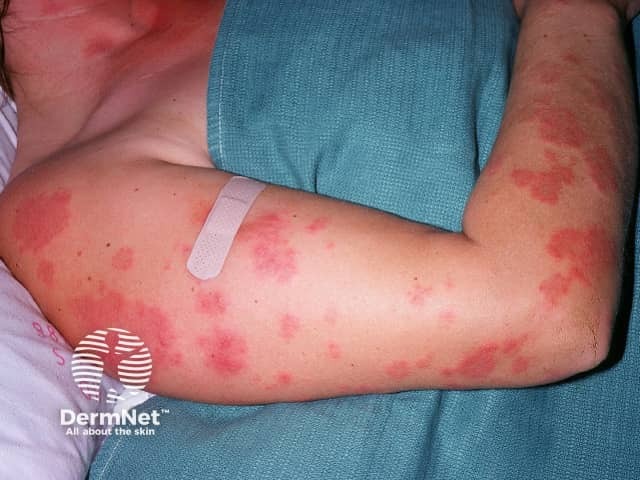
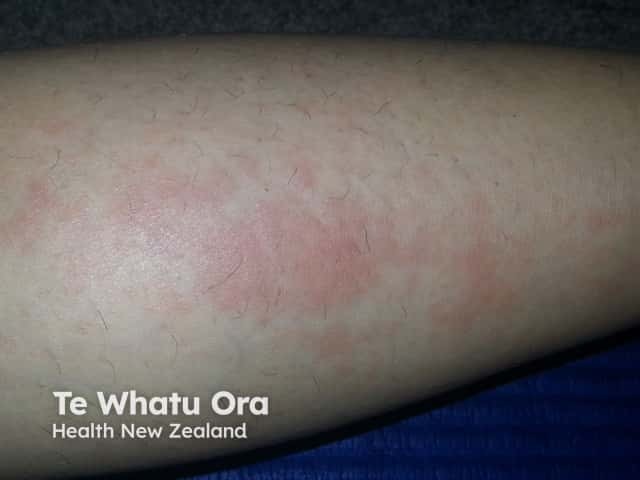
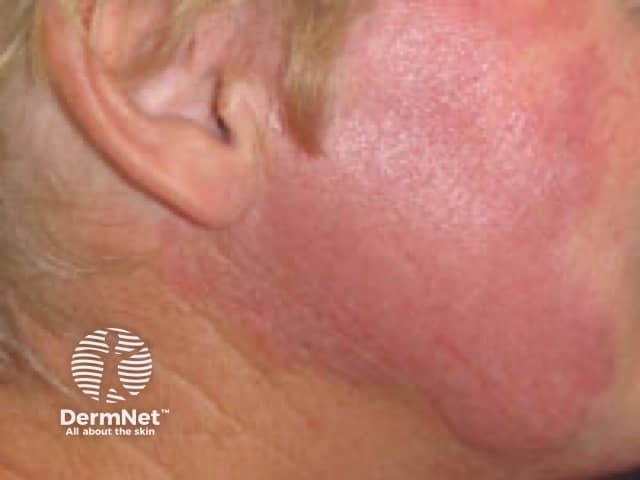
Lupus erythematosus tumidus is a dermal form of lupus. The rash is characteristically photosensitive, so it affects sun-exposed sites. It presents with red, swollen, urticaria-like bumps and patches, some of which are ring-shaped (annular). It tends to clear during the winter months and does not leave any marks or scars.
Lupus tumidus is similar to Jessner lymphocytic infiltrate, in which diagnostic criteria for lupus are absent.
|
|
|
Lupus profundus
Lupus profundus is the name given to lupus affecting the fat underlying skin and may also be called ‘lupus panniculitis’. it may develop at any age, including children. The face is the most common area to be affected. Inflammation of the fat results in firm deep nodules for some months. The end result is unsightly dented scars (lipodystrophy) as the fat cells are completely destroyed by the lupus.
|
|
|
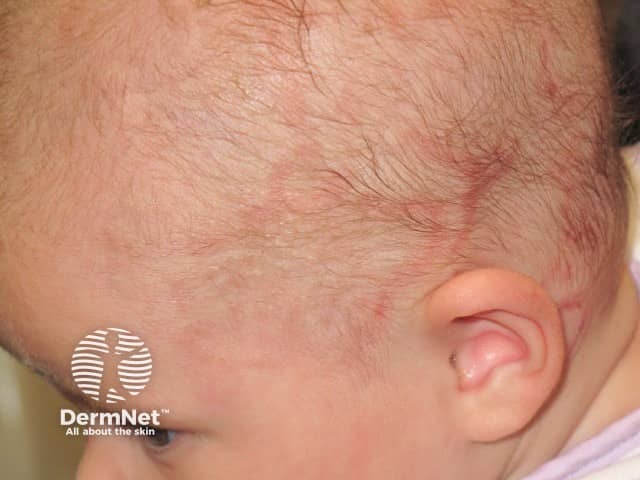
Neonatal lupus erythematosus
Newborn babies born to mothers with subacute LE may develop a temporary ring-like or annular rash, known as neonatal LE. Although the rash clears within a few months, the baby is at risk of congenital heart block. A paediatrician should assess all babies born to mothers with subacute LE (or carrying the antibody for this condition) at birth.
|
|
|
Chilblain lupus erythematosus
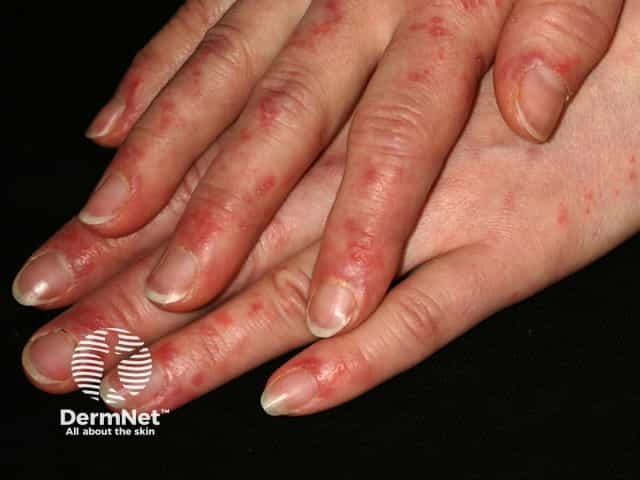
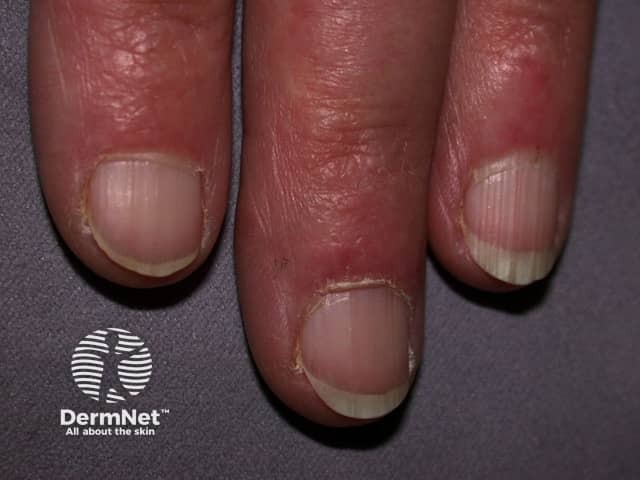
Some people with cutaneous LE also have circulatory problems. They may have chilblains (chilblain lupus), especially if they live where there is a cool climate or they are smokers. They may suffer from Raynaud phenomenon: this refers to abnormal blanching of fingers and toes in response to cold weather, followed by numbness and slow rewarming by the fingers which go blue then red. Mild arthritis of finger joints may also occur.
On examination, characteristically there are telangiectases (dilated blood vessels) at the base of the fingernails.
|
|
|
Cutaneous lupus mucinosis
This non-specific presentation of cutaneous LE is rare. It is often a feature of LE tumidus and is sometimes called “papular and nodular mucinosis of Gold’. Papules (small bumps), plaques (flatter patches) and nodules (larger bumps) come up on the cheeks, upper chest, upper arms or back. On skin biopsy, deposits of mucin are detected in the dermis.
Drug-induced lupus erythematosus
Certain medications may rarely precipitate lupus in predisposed individuals. Generally symptoms take some months to develop. Drug-induced lupus does not usually affect the skin. The most frequent drugs to be implicated are:
- Hydralazine
- Carbamazepine
- Lithium
- Phenytoin
- Sulphonamides
- Minocycline
|
|
|
Systemic lupus
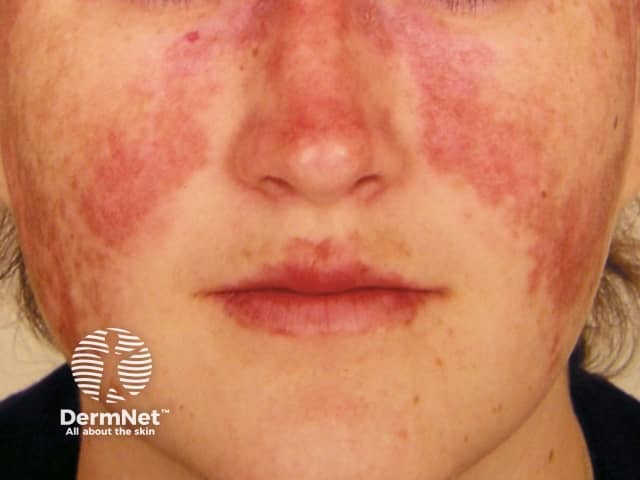
Cutaneous LE may be part of an uncommon disease called systemic lupus erythematosus (SLE). Only a few people with cutaneous LE also have SLE. The most common presentation is with a malar eruption or ‘butterfly rash’ (red patches across the cheeks). Other skin changes in SLE are photosensitivity (a rash on all sun exposed skin), mouth ulcers, urticaria (hives) and diffuse hair thinning. Rarely, it may cause blisters (bullous LE).
SLE may also affect joints, kidneys, lungs, heart, liver, brain, blood vessels (vasculitis) and blood cells. It may be accompanied by antiphospholipid syndrome.
|
|
|
|
Bullous eruption |
Vasculitis |
More images of cutaneous lupus erythematosus ...
Investigations
When tests are performed in a patient with cutaneous LE, there may be no abnormalities, especially if the patient has localised discoid LE. Sometimes however mild anaemia or a reduction in the number of circulating white cells is detected, and there may be some abnormal antibodies to cell nuclei (called antinuclear antibodies or ANA). SLE is associated with high titres (titres reflect the strength of the reaction) of ANA as well as other autoantibodies. Extractable nuclear antigen (ENA), also known as antiRo/La antibodies, is nearly always present in patients with subacute LE.
The tests may need to be repeated every year or so. The severity of the condition may be reflected in the titre of ANA and/or ENA.
Blood tests may also reveal a reduced white blood cell count (leucopaenia) in patients with LE confined to the skin. Leucopaenia tends to be more pronounced in patients with systemic LE, in whom there may also be abnormalities relating to disease affecting other organs (e.g. reduced kidney function).
Skin biopsy may be diagnostic. Direct immunofluorescence tests may show positive antibody deposition along the basement membrane (lupus band test).
Treatment of cutaneous lupus erythematosus
The aim of treatment for cutaneous LE is to improve the patient's appearance and to prevent scarring.
- If drug-induced, stop the responsible medication.
- Encourage smoking cessation – it is best to avoid nicotine replacement as nicotine in any form may exacerbate cutaneous LE.
- Sun protection. Stay indoors whenever possible between 10 a.m. and 2 p.m. Cover up – wear a broad brimmed hat, long sleeves, high collar, long trousers or skirt, socks and shoes. Apply a broad spectrum SPF 30+ sunscreen to all exposed skin. Ask your dermatologist which is most suitable for you. If you are strict about sun protection, you may need vitamin D supplementation.
- Cosmetic camouflage may be used to disguise unsightly plaques.
- Topical steroids. Strong steroid creams or ointments should be applied accurately to the patches once or twice daily, until the patches have cleared up. Ask your dermatologist how long it is safe to use your cream. A milder topical steroid can be used when the rash is less severe.
- Intralesional corticosteroid injections may be used for small lesions.
- Alternatively, the calcineurin inhibitors, pimecrolimus cream or tacrolimus ointment may be used. Topical retinoids, calcipotriol and imiquimod have also been reported to be helpful in a few patients.
- Antimalarial tablets. DLE is not due to malaria. However antimalarials (chloroquine, hydroxychloroquine and quninacrine) have anti-inflammatory properties that work well in most cases. Regular blood tests and eye checks are necessary.
- Oral steroids. Systemic steroid medicines are usually not necessary except in severe DLE. They may be continued for a few months, or several years. Steroids have important side effects, so discuss these with your dermatologist.
A vascular laser may be helpful to reduce telangiectasia. Other treatments for severe cutaneous LE include:
- Oral retinoids: acitretin or isotretinoin
- Dapsone
- Methotrexate
- Ciclosporin
- Mycophenolate
- Gold
- Clofazamine
- Cyclophosphamide
- Thalidomide
- Intravenous immunoglobulin
- Biological response modifiers including rituximab
Related information
On DermNet NZ:
Other websites:
- Lupus Foundation of America
- Lupus Support Group (New Zealand)
- New Zealand Rheumatology Association
- Skincareguide.com
- Lupus erythematous: various chapters in Medscape Reference
- Lupus (Systemic Lupus Erythematosus) – emedicinehealth
- Discoid Lupus Erythematosus – British Association of Dermatologists
- Subacute Lupus Erythematosus – British Association of Dermatologists
- Patient information: Discoid lupus (The Basics) – UpToDate (for subscribers)
Books:
See the DermNet NZ bookstore