Myxoma syndrome is the name given to a group of diseases that are characterised by the presence of atrial myxomas (tumours of heart tissue) and lentigines (pigmented spots on the skin). Often other abnormalities are associated with the different disorders and this has in some cases given rise to the naming convention of these conditions.
Myxoma syndromes include:
It has been suggested that these conditions may all be part of a spectrum of manifestations of the same disorder.
The clinical features of myxoma syndrome differ between the different types according to the associated abnormalities.
Myxoma syndrome |
Clinical features |
|
|---|---|---|
LAMB |
|
|
NAME |
|
|
Carney |
Cutaneous myxomas often found on the eyelids, nipples, scalp, face, ears, neck, oral mucosa, trunk and limbs. |
|
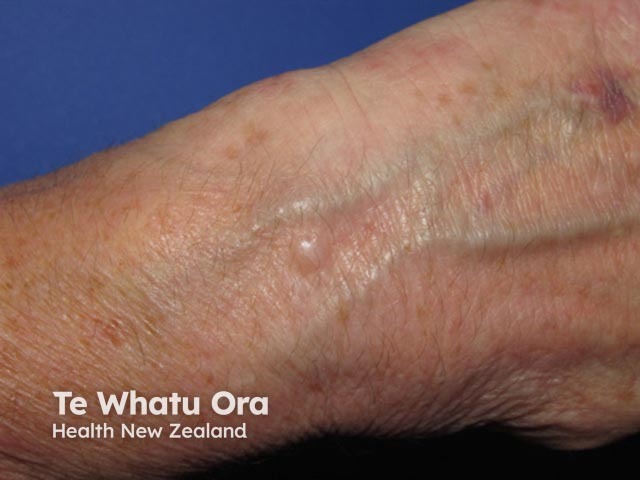
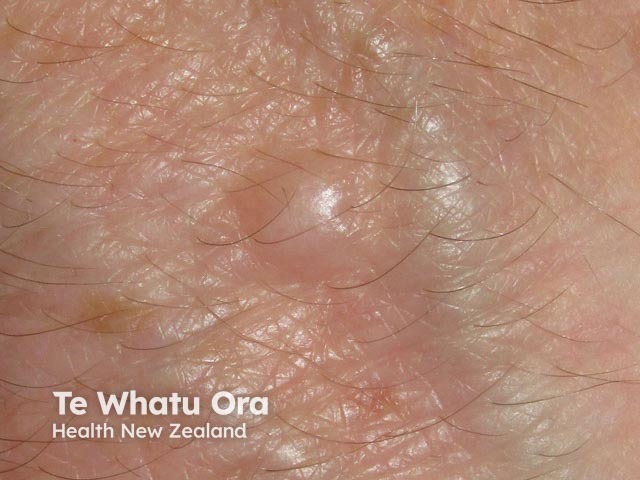
Some cases of myxoma syndrome are inherited in an autosomal dominant manner, which means that if one parent is affected there is a 50% chance of passing this mutated gene on to their offspring. Mutations in the PRKAR1A gene are described. This encodes the type 1A regulatory subunit of protein kinase A. This molecule appears to have a role in cell cycle regulation, growth, and/or proliferation.
Many cases of myxoma syndrome are sporadic and do not appear to have this gene mutation. The exact cause is unknown.
A team of specialist doctors including a cardiologist, endocrinologist, and dermatologist should manage myxoma syndromes.
If necessary, cutaneous lesions (lentigines, naevi, skin tumours) can be removed through the use of chemical peels, cryotherapy, laser treatments or surgical excision. For some patients, treatment with topical retinoids and hydroquinone cream may be helpful.
Atrial myxomas can be surgically removed. The surgery is safe, with a mortality rate of 2.2%. Occasionally part of the tumour can break off during surgery and get stuck in other blood vessels, causing other problems such as stroke or pulmonary embolism.