Introduction
Uses
Contraindications and precautions
More information
Benefits
Disadvantages
Side effects and risks
Topical retinoids are medications derived from vitamin A formulated as a cream, lotion, foam, emulsion, or gel.
Applied to the face once daily at bedtime, topical retinoids such as adapalene, isotretinoin, tretinoin (retinoic acid), and trifarotene can help mild to moderately severe acne. They are effective first-line treatment for comedonal and inflammatory acne, but are not recommended as monotherapy for severe acne, especially if there are pustules with deep nodules and cysts. It may take 12 weeks or longer before improvement is seen.
Topical retinoids may reduce the severity of existing scarring and subsequent acne scarring.
Inflammatory dermatoses including acne vulgaris may resolve with postinflammatory hyperpigmentation particularly in skin of colour. Topical retinoids are useful to treat post-inflammatory hyperpigmentation as they inhibit melanosome transfer and facilitate melanin dispersal. They are particularly recommended for the treatment of acne in skin of colour.
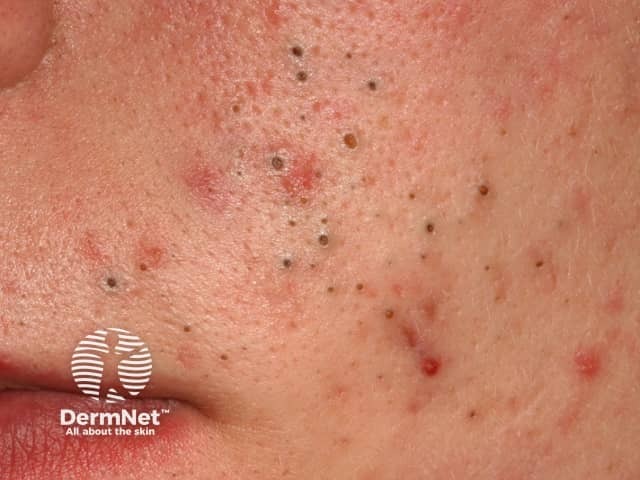
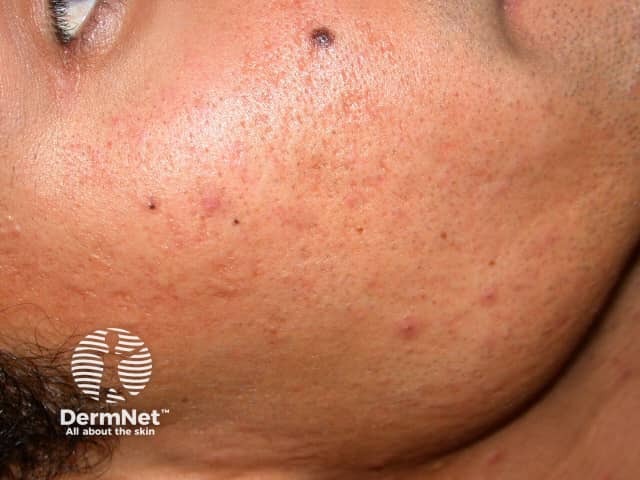
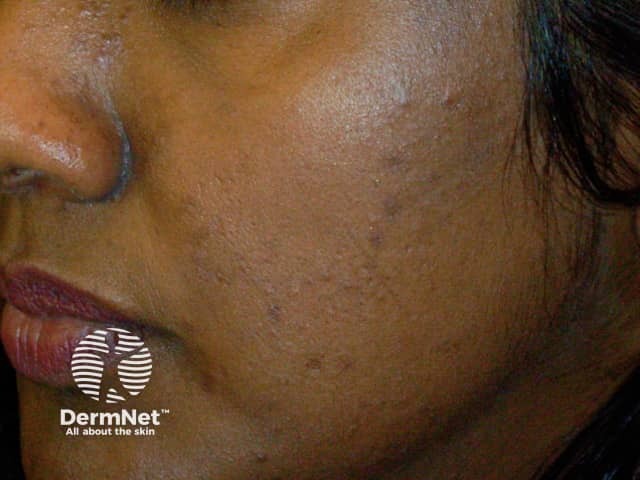
If used longterm (>6 months) topical tretinoin can reduce freckling, solar lentigines, fine wrinkling, solar comedones, sun-induced skin fragility, and actinic keratoses [see also Skin ageing].
Topical tretinoin may be combined with other active ingredients in skin bleaching cream to treat melasma.
Topical isotretinoin, tretinoin, and adapelene have been used for localised Darier disease, reporting significant clinical improvement in symptoms. Topical retinoids may be used to treat many dermatoses - see the list of page links below (On DermNet).
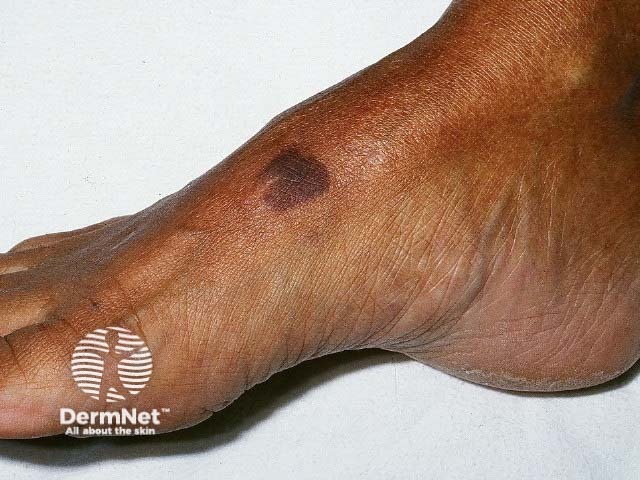
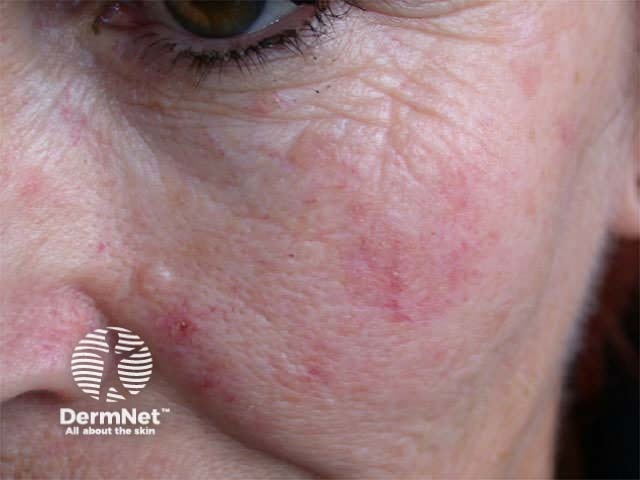
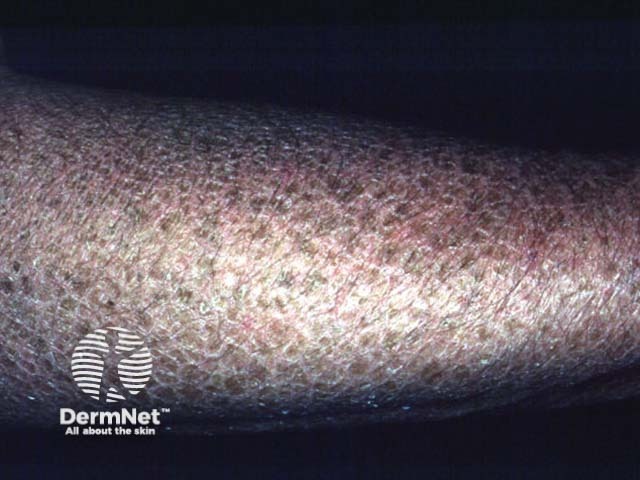
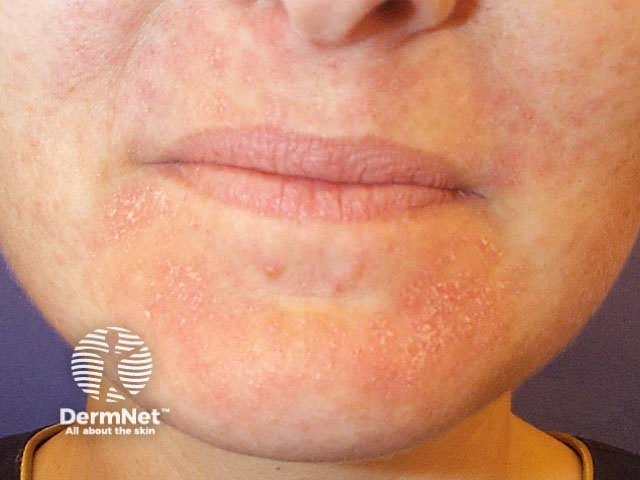
Retinoids act at a cellular level. They activate genes involved in the physiology of keratinocytes by binding to specific nuclear receptors, retinoic acid receptor (RAR) and retinoid X receptor (RXR).
Topical retinoids such as retinol and retinaldehyde are commonly added to cosmetics.
Prescribed topical retinoids include adapalene, alitretinoin, tazarotene, tretinoin, and trifarotene. They come in a variety of formulations. Gels are the least cosmetically noticeable; creams are the least irritating. Applying them at night (or just before sleep) mean they are less noticeable when treating the face. The regular application of a sunscreen/moisturiser combination during the day will protect against the sun sensitivity and dryness.
Retinoids can be classified as:
Approved datasheets are the official source of information for medicines, including approved uses, doses, and safety information. Check the individual datasheet in your country for information about medicines.
We suggest you refer to your national drug approval agency such as the Australian Therapeutic Goods Administration (TGA), US Food and Drug Administration (FDA), UK Medicines and Healthcare products regulatory agency (MHRA) / emc, and NZ Medsafe, or a national or state-approved formulary eg, the New Zealand Formulary (NZF) and New Zealand Formulary for Children (NZFC) and the British National Formulary (BNF) and British National Formulary for Children (BNFC).